Is Thai Yoga Certification Worth It? An Honest Cost Breakdown
What SomaVeda Thai Yoga certification really costs — from the $450 weekend to the $5,995 practitioner credential — who it pays off for, and who should skip it. No income promises, just the math.
Honest answer up front: it depends on what you want from it — so here are the real numbers and the real outcomes, and you can do your own math. The entry point is a $450 weekend (Level 1 Fundamentals, 18 NCBTMB CE hours, $350 for returning students, manual $39.95 separate). The full professional credential — the 165-hour Certified Thai Yoga Practitioner (CTP1) — is $5,995 plus materials. Nobody here will promise you a six-figure practice; anyone who does is selling something.
What certification actually buys you falls into three buckets.
Bucket 1: a skill you keep for life ($450)
For most students, the weekend is the value. Two days in, you can give a complete one-hour Thai Yoga session — to your spouse, your parents, your friends, your own aching family. The tuition includes NAIC membership, and under the NAIC’s legal framework, members may legally practice what they learn in all 50 states. No license required, no further spend required. As a pure life skill, it’s the price of a nice dinner for two in Tampa, and it doesn’t expire.
If you’re weighing this against studying abroad, we broke down USA vs Thailand training separately — spoiler: the airfare alone changes the math.
Bucket 2: CE hours + a service that differentiates you
If you’re a licensed massage therapist, the weekend double-counts: 18 NCBTMB-approved CE hours toward renewal and a modality almost no one nearby offers. Table-massage skills are everywhere; mat-based Thai work is scarce. Scarce services justify premium session pricing and attract clients who’ve tried everything else. They also spare your thumbs — Thai work uses body weight and leverage, not grinding pressure.
Bucket 3: the professional path ($5,995)
The CTP1 practitioner credential is for people building a practice around this work: a 13-day residential intensive in Florida covering the full therapeutic-day protocol, Thai medical theory, and clinical application. It’s also the gateway to teacher certification and the Ayurveda credentials in the lineage.
Is that worth it? Fair test: it’s comparable to a semester of community college — for a complete professional system, a recognized credential in a real lineage, and ongoing mentorship. But it only pays off if you’ll actually practice. If you’re collecting certificates for the wall, keep your $6,000.
Who should skip it
Skip certification if you want passive income (this is hands-on work), if you can’t kneel and move on a mat for hours (it’s physical), or if you need insurance-billable credentials (these are private wellness services under the NAIC, not licensed medical care).
The cheap way to decide
Don’t decide from a blog post — including this one. Take the $450 weekend first. It stands alone as CE and a life skill, it’s the first required step of the longer path anyway, and two days on the mat will tell you more about whether this work is yours than any cost-benefit table can. Upcoming dates are here, or call (813) 337-9338 and ask Tyler directly — he’ll tell you honestly if it’s not for you.
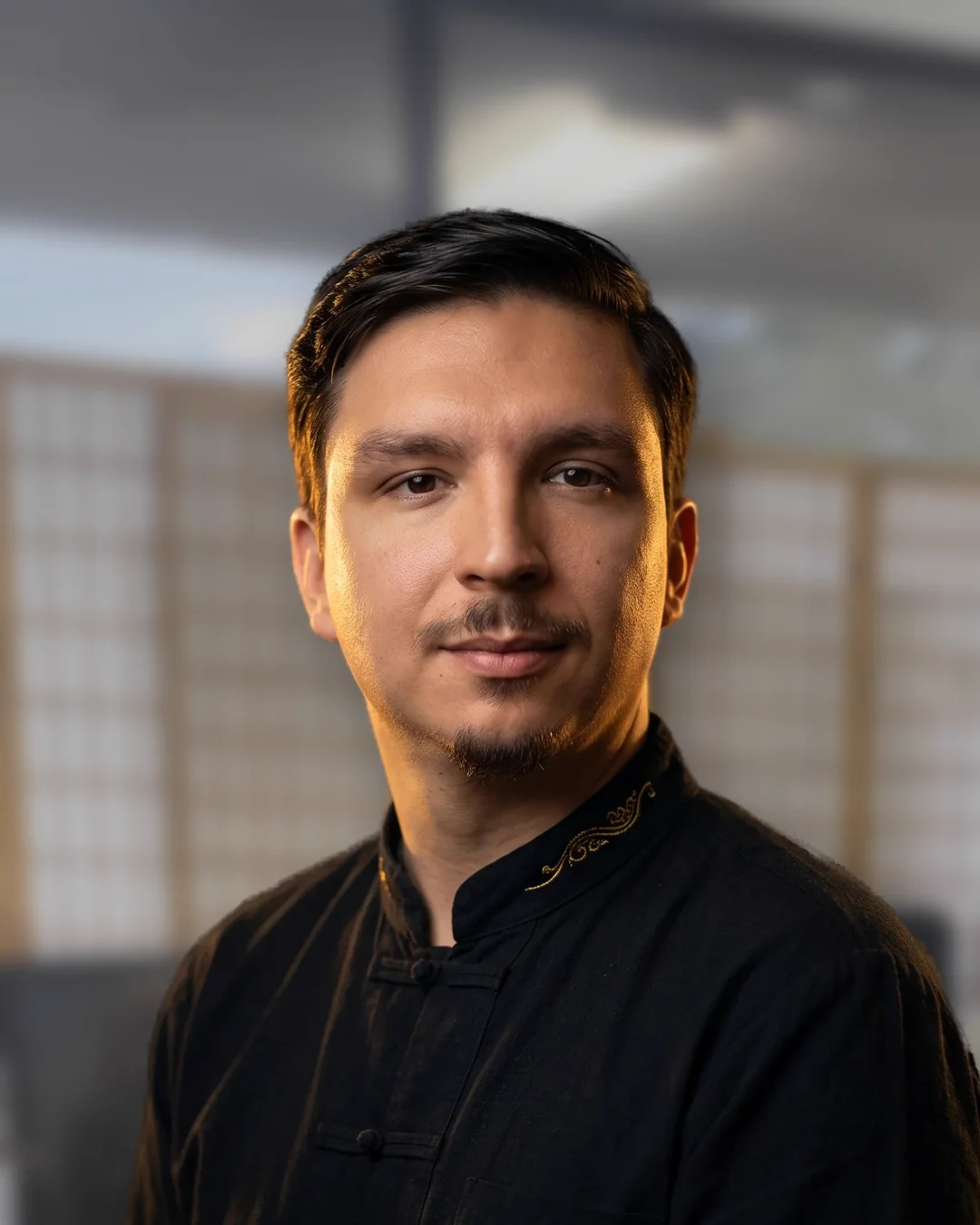
Tyler Singleton
Healing Warrior Arts, Brooksville FL
Questions about anything in this post?